Years ago, I worked for a multinational software company whose best days were behind it. Once a leader in its space, the company was overtaken by more agile competitors like Oracle and IBM.
I joined a small “skunk works” unit tasked with jumpstarting a promising line of business that might revive the company. Unfortunately, the unit failed, and the organization continued its decline.
I have often wondered: why did organizational leaders fail to recognize and respond to shifting market forces? Were they too comfortable with the shrinking international customer base? Did they ignore low employee morale, high attrition, and a dissatisfied customer base?
Theirs was a classic tale of the tortoise and the hare, except this time the hare never fell asleep.
Why the Congruence Model Matters
Organizations do not fail overnight. Often, they stumble because the key parts of the system—people, work, culture, and structure—are no longer aligned. Leaders need a framework to diagnose where things are breaking down.
One such tool is the Congruence Model, developed by David Nadler and Michael Tushman. It views organizations as dynamic, open systems and helps managers identify where misalignments may be weakening performance.
Inputs, Outputs, and the Transformation Process
Every organization transforms inputs into outputs through defined processes:
- Inputs: environment, resources, and organizational history that shape strategic choices.
- Outputs: products, services, and overall effectiveness of the organization.
For example:
- A company transforms raw materials into products sold to customers.
- A school enrolls, educates, and graduates students.
In both cases, the organization acts as a vehicle for transformation.
The Four Elements of Congruence
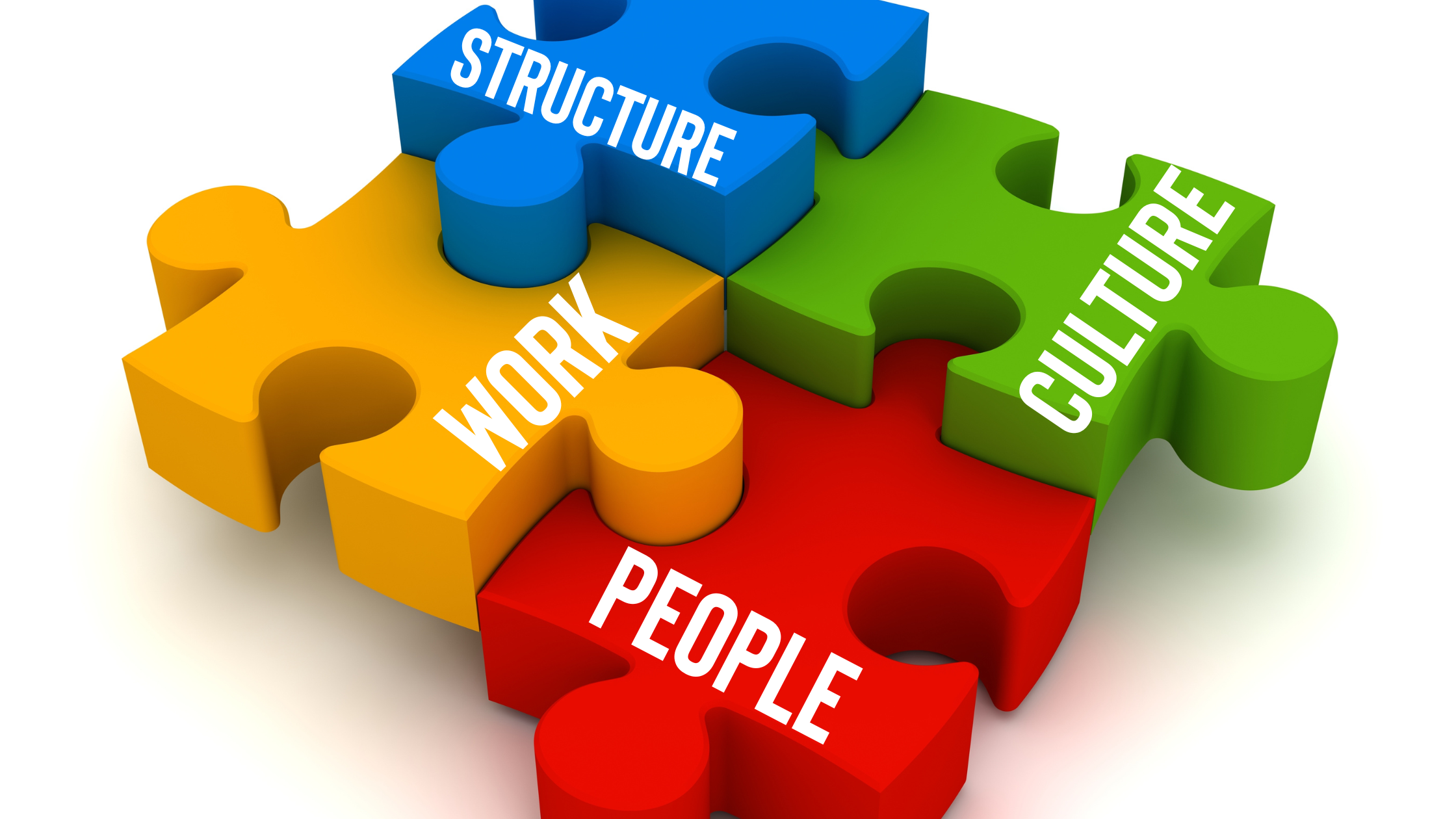
The Congruence Model emphasizes the fit between four interdependent components:
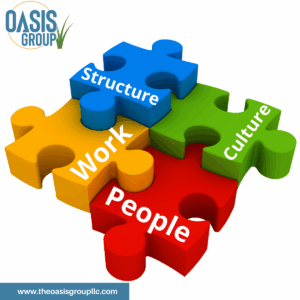
- Work – The essential tasks and activities needed to achieve strategic objectives. Who owns the work, and how well is it being done?
- People – The skills, knowledge, and motivations of employees or members. Are the right people in the right roles?
- Culture – The values, norms, and beliefs guiding behavior. Does the culture enable or restrict performance?
- Structure – The policies, practices, and systems that organize work. Do roles, reporting lines, and coordination support the strategy?
Continuous Alignment for Growth
The Congruence Model would have been a useful diagnostic framework for my former company. It could have helped leadership ask critical questions:
- What business are we truly in, and what is our core mission?
- Do our products and services meet current market opportunities?
- Do we have the right people, culture, and structure in place to deliver?
Leaders and managers should revisit these questions regularly. As organizations evolve, misalignments naturally emerge. The greater the fit between components, the more effective the organization will be in achieving its mission.
Final Thoughts
The lesson is simple: success requires more than strategy. It demands congruence. Organizations that consistently examine and adjust their people, culture, structure, and work processes are the ones that thrive.
After all, the hare is always coming.
Want to explore how the Congruence Model can help your organization align for success? Contact us to start the conversation.